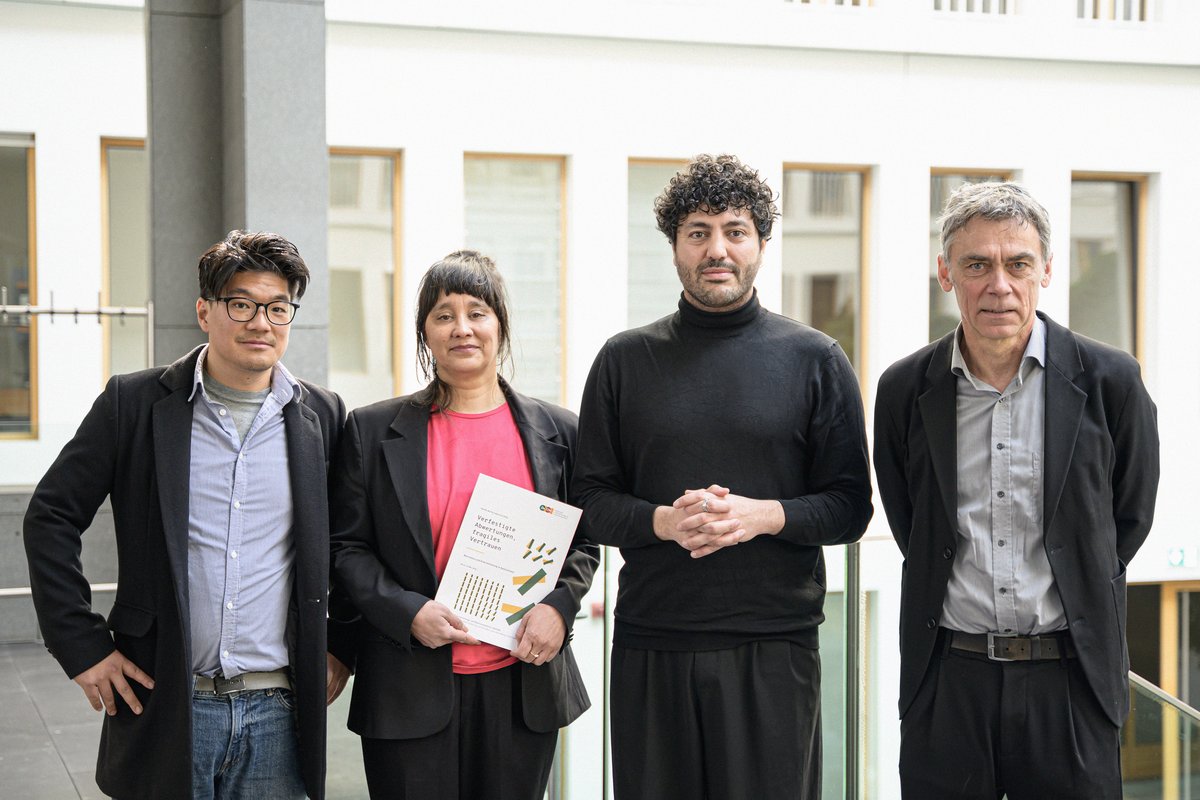
Federal Press Conference: Presentation of the 2026 Monitoring Report
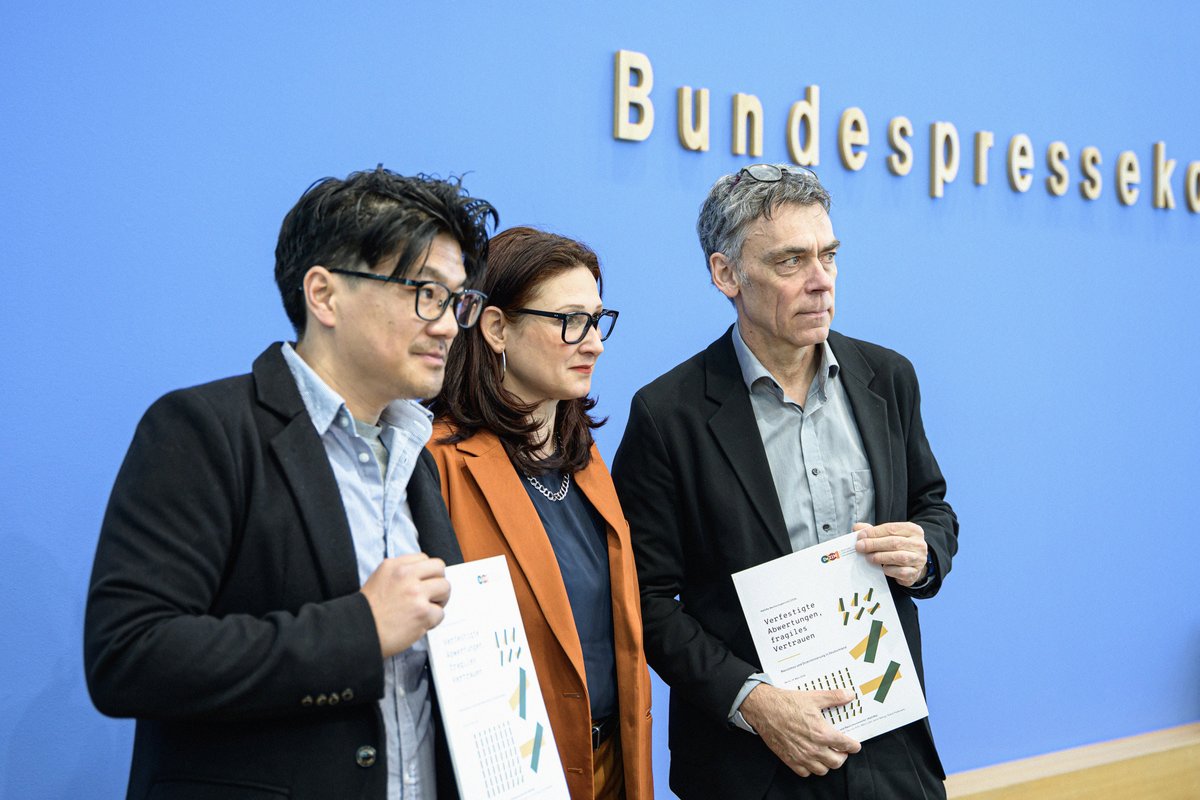
Racist attitudes remain widespread in Germany; for many affected individuals, discrimination is a daily reality, and these experiences are linked to a loss of trust in institutions. This is shown by the NaDiRa Monitoring Report, which was presented on March 19, 2026, at the Federal Press Conference.
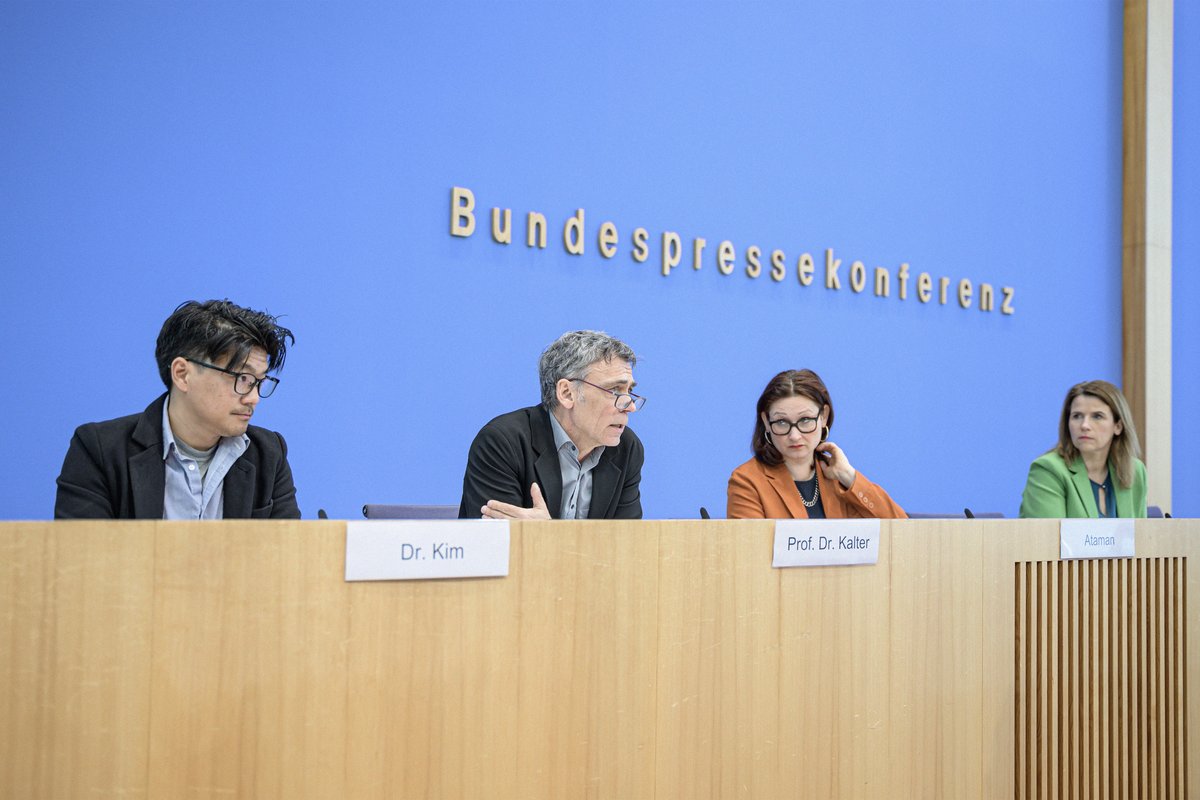
DeZIM Director Prof. Dr. Frank Kalter emphasized at the outset the fundamental importance of monitoring. NaDiRa is intended to “fill a central information gap in Germany,” namely the systematic and empirically grounded observation of racism and discrimination. At the same time, he made it clear: “These three dimensions—attitudes, experiences, and trust—must be considered together.”
Elsewhere, Kalter highlighted that public attention to the issue fluctuates, but the reality for those affected remains. The report shows “why systematic monitoring is so important”; while attention to the issue may “fluctuate,” its reality is “very constant.”
Public interest in the issue may fluctuate, but the reality of the situation remains largely unchanged.
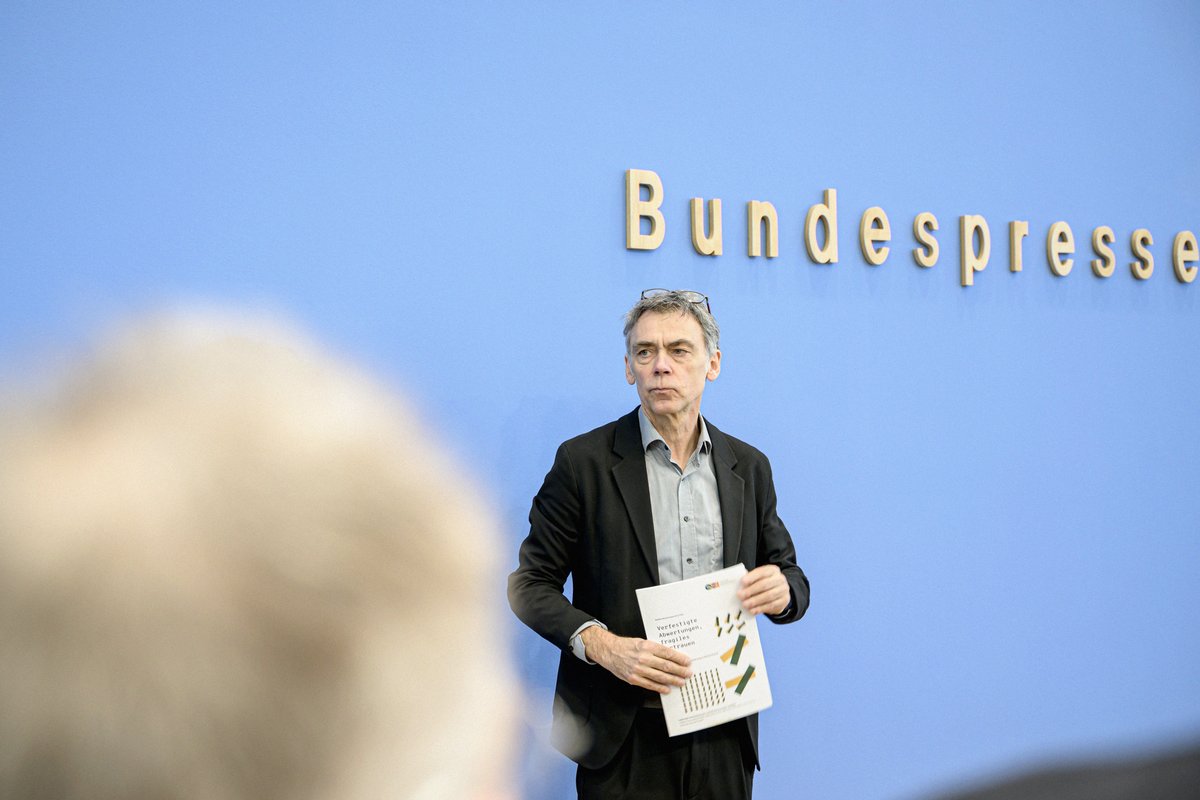
Study director Dr. Tae Jun Kim then presented the report’s key findings. The results show “where Germany stands in 2026 when it comes to racism and discrimination.” The focus is on three interrelated issues: the prevalence of racist attitudes, specific experiences of discrimination, and the consequences for trust in state institutions.
Kim said the report begins with “what many considered ‘long since overcome.’” In fact, the results showed that “myths about supposedly biologically distinct groups of people remain widespread.” He added that modern racism is often “merely a more polite way” of justifying existing hierarchies and subordination.
With regard to the daily lives of many affected individuals, Kim made it clear that these attitudes are not abstract. They are reflected in concrete experiences of discrimination and have a measurable impact on relationships with government institutions. The conclusion states accordingly: “Racism is not a marginal or niche issue, but a challenge for our entire society.”
When we talk about social cohesion, we must address precisely this extent of racist attitudes, discrimination, and their societal impact. After all, a state that loses the trust of part of its population ultimately loses its most valuable asset.
With an eye to the daily lives of many affected individuals, Kim made it clear that these attitudes were not merely abstract. They were reflected in concrete experiences of discrimination and had a measurable impact on people’s relationships with government institutions. The conclusion states accordingly: “Racism is not a marginal or niche issue, but a challenge for our entire society.”
Ferda Ataman, Federal Anti-Discrimination Commissioner and Head of the Federal Anti-Discrimination Agency, subsequently contextualized the findings politically and linked the figures to the agency’s advisory practice. She said: “We have now heard many figures. At the Federal Anti-Discrimination Agency, we learn what lies behind these figures.” The report’s findings are “startling.” She put it particularly clearly: “Racist thinking and behavior, however, do not only harm those affected. They endanger our democracy and weaken trust in our institutions.”
In conclusion, Ataman linked this assessment to a political appeal: “Friendly declarations of support for diversity in society are not enough.” People must be better protected against discrimination, she said, and this requires more effective legal instruments.
Overall, the panel thus conveyed a clear, unified message: Racism is not a marginal issue. It shapes the daily lives of many people, weighs on the social climate, and undermines the very fabric of democracy when trust in state institutions is lost.
Media coverage clearly highlighted the report’s key findings and noted that racist thought patterns remain widespread in Germany, that Black and Muslim people experience discrimination particularly frequently, and that such experiences are linked to declining trust in state institutions (see, among others, references in Die Zeit, Tagesschau).